Stain Removal in Everyday Life: Smart Techniques for Cleaner Fabrics, Surfaces, and Spaces
Stain removal is one of those household tasks that can feel frustrating in the moment but incredibly rewarding when done right. Whether you are dealing with a fresh coffee spill, an old grease mark, a wine accident, or a mysterious smudge on upholstery, effective stain removal can restore the look and life of your items without unnecessary damage. The key is to act quickly, choose the right method, and understand how different materials respond to cleaning products. With the right approach, stain removal becomes less of a guessing game and more of a practical routine.
Many people assume that stronger products always mean better results, but stain removal works best when the method matches the stain type and the surface involved. A gentle solution may be ideal for delicate fabrics, while a targeted treatment can help lift stubborn marks from tile, counters, or laundry. Learning the basics of stain removal also helps prevent costly mistakes such as setting the stain deeper into the fibers or fading the color of the item. Smart stain removal is about technique, not just effort.
In this article, we will explore stain removal strategies for clothing, upholstery, carpets, hard surfaces, and more. You will also find practical tips, common mistakes to avoid, and ways to improve stain prevention at home. If you want a cleaner space and fewer permanent marks, effective stain removal can make a real difference in day-to-day living.
Understanding the Basics of Stain Removal
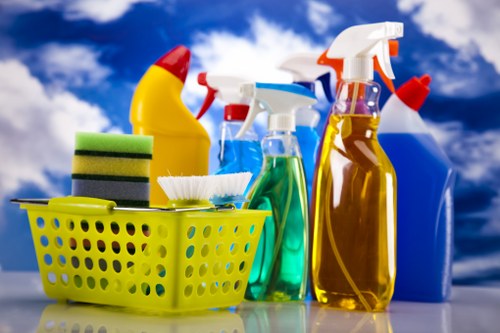
Before trying any stain removal method, it helps to understand what you are actually removing. Stains come from different sources, and each behaves differently. Water-based stains, oil-based stains, dye stains, protein-based stains, and tannin stains all require slightly different treatment. For example, a grease stain reacts differently than a juice spill, and using the wrong cleaner may make the situation worse. Knowing the stain type is the first step toward effective stain removal.
Timing matters too. The sooner you address a spill, the higher the chance of successful stain removal. Fresh stains are usually easier to lift because they have not had time to penetrate deeply into the material. On the other hand, older stains may need repeated treatments, soaking, or specialized products. This is why quick response is often the difference between a temporary mark and a permanent blemish.
Why Surface Type Matters
Every surface behaves differently during stain removal. Cotton clothing can often handle more aggressive washing than silk, while a carpet fiber may trap liquid far more deeply than tile grout. Hard surfaces often respond well to direct cleaning solutions, but porous surfaces require a gentler and more careful stain removal process. Always check material sensitivity before applying any product.
Stain Removal on Clothing and Fabric
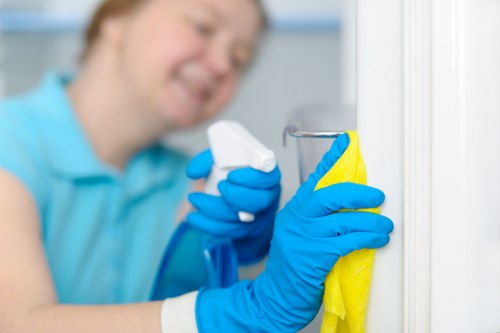
Clothing is one of the most common places where stain removal becomes urgent. Food splashes, makeup marks, sweat stains, ink, and grass stains are all common challenges. The first step is usually to blot the stain instead of rubbing it. Rubbing can spread the stain and push it deeper into the fibers, making stain removal harder. Blotting lifts excess material while helping keep the affected area contained.
For many fabric stains, a simple pre-treatment can improve results. Mild liquid detergent, stain remover spray, or a solution of water and vinegar may help break down the stain before washing. Always test the product on a hidden area first, especially when dealing with colored or delicate clothing. If the garment is washable, a standard laundering cycle after pre-treatment often completes the stain removal process.
Some stains need special attention. Protein stains like blood, milk, and egg respond better to cold water because heat can set them. Oil stains often need a degreasing agent, while ink may require alcohol-based treatment. Matching the stain removal method to the stain type gives you much better results.
Useful Fabric Stain Removal Tips
- Act quickly whenever possible.
- Blot instead of rubbing.
- Use cold water for protein-based stains.
- Pre-treat before washing.
- Avoid drying until the stain is fully gone.
Stain Removal for Carpets and Rugs
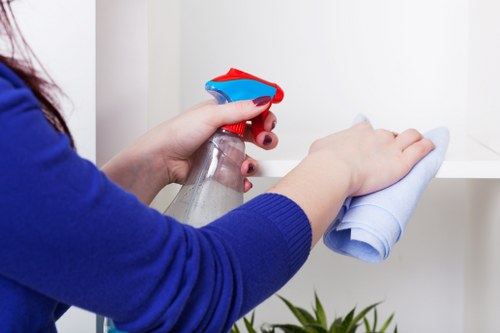
Carpets and rugs present a unique challenge because spills sink into the fibers and padding below. This makes fast stain removal essential. The first rule is to absorb as much liquid as possible using a clean cloth or paper towel. Press gently to lift the spill, but avoid scrubbing, which can spread the stain and damage the pile. A careful approach protects the carpet while improving your chances of full stain removal.
For many carpet stains, a mild cleaning solution can work well. A mixture of warm water, dish soap, and a small amount of vinegar may help with common food and drink spills. Apply the solution sparingly, blot the stain, and continue until the mark begins to fade. Be sure not to oversaturate the area, because too much moisture can cause odor, mildew, or backing damage. Effective stain removal on carpets is often about patience and moderation.
If the stain is greasy, muddy, or deeply embedded, you may need to repeat the treatment. For tougher stains, specialized carpet cleaners can provide stronger stain removal power. Always follow the product directions carefully and check compatibility with your carpet material. A little caution now can prevent bigger problems later.
Common Carpet Stain Types
- Coffee and tea stains
- Wine and juice spills
- Mud and soil marks
- Pet accidents
- Oil and grease spots
Stain Removal on Upholstery and Furniture
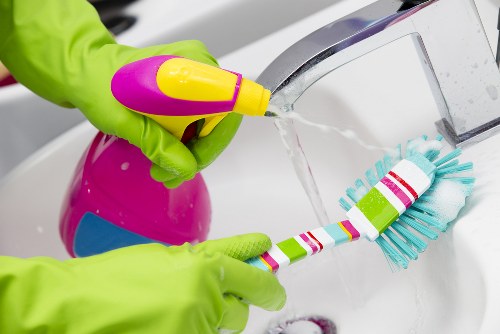
Upholstery stain removal requires extra care because furniture fabrics vary widely in texture, durability, and cleaning tolerance. Before applying anything, check the care label if available. Some materials are water-safe, while others require solvent-based cleaning only. When in doubt, test on a hidden area and use minimal moisture. The wrong treatment can leave water rings or discoloration, which makes stain removal more complicated than the original spill.
For general upholstery stain removal, gently blot the spill and use a suitable fabric cleaner or diluted soap solution. Apply with a soft cloth rather than pouring directly onto the stain. Work from the outside of the stain inward to prevent spreading. This controlled approach is especially useful for sofa cushions, dining chairs, and accent furniture, where a visible stain can affect the entire room’s appearance.
Odors can be another issue when treating upholstery. Stains from food, pets, or moisture may leave behind smells even after the visible mark is gone. In these cases, stain removal should include odor control. Baking soda, upholstery-safe deodorizers, or professional cleaning can help freshen the fabric and improve the final result. Clean appearance and fresh smell should go hand in hand.
Best Practices for Upholstery Cleaning
- Check fabric codes or care labels first.
- Use minimal liquid.
- Blot with a soft cloth.
- Avoid aggressive scrubbing.
- Dry the area thoroughly after treatment.
Stain Removal on Hard Surfaces
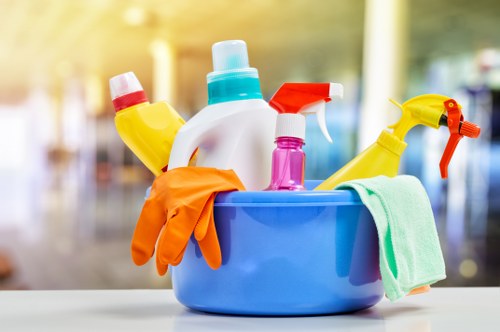
Hard surfaces like countertops, tile, sinks, and appliances often respond well to straightforward stain removal methods. Because these materials are less absorbent than fabric, spills typically stay on the surface longer, which makes cleanup easier if done promptly. However, some hard surfaces can still stain, especially if they are porous or textured. Natural stone, grout, and unfinished wood require special attention during stain removal.
For most sealed hard surfaces, a simple cleaner, warm water, and a soft cloth are enough for regular stain removal. Grease spots may need a degreasing spray, while mineral deposits or rust stains may require specialized formulas. Always read the instructions and avoid abrasive pads that could scratch the finish. A damaged surface can hold dirt more easily and make future stain removal harder.
Kitchen stains, bathroom buildup, and soap residue can all look like stains even when they are actually deposits. That is why identifying the issue correctly matters. Once you know whether you are dealing with food residue, limescale, mold, or true staining, you can choose the proper stain removal method and improve the outcome significantly. Correct diagnosis is half the job.
Helpful Hard Surface Stain Removal Approaches
- Use microfiber cloths for gentle wiping.
- Choose surface-safe cleaners.
- Treat grout and porous areas separately.
- Rinse after using stronger products.
- Dry the surface to prevent new marks.
Natural Stain Removal Methods
Many households prefer natural stain removal methods because they are affordable, widely available, and often less harsh than commercial chemicals. Common options include baking soda, white vinegar, lemon juice, and mild dish soap. These ingredients can work well for light stain removal tasks and are especially useful for everyday cleanup. Still, natural does not always mean risk-free, so testing remains important.
Baking soda is often used for deodorizing and gently lifting stains from fabrics and carpets. Vinegar can help with some mineral buildup and certain organic stains, though it should never be mixed with bleach. Lemon juice may assist with brightening some surfaces, but it can be too acidic for delicate materials. When used correctly, these natural options can support effective stain removal without overwhelming your home with harsh odors.
Natural stain removal is especially useful when you want a low-cost, flexible solution for routine messes. That said, severe or set-in stains may still require stronger treatment. A balanced approach often works best: use natural cleaners first for mild problems and move to specialized products only when needed. This keeps stain removal practical and adaptable.
When Natural Methods Work Best
- Fresh food and beverage spills
- Light fabric marks
- Routine surface cleaning
- Odor-related cleanup
- Minor household messes
Common Stain Removal Mistakes to Avoid
Even with the best intentions, certain mistakes can make stain removal much harder. One of the biggest errors is waiting too long to address the stain. Another is using hot water on stains that respond better to cold water, especially protein-based marks. Heat can set the stain permanently into fibers, making later stain removal far less effective.
Rubbing aggressively is another common issue. While it may seem logical to scrub harder for better results, this often spreads the stain and damages the material. Too much cleaning product can also create residue, which may attract dirt and create a dull patch. A careful, measured approach is usually far more successful than an intense one. In stain removal, more force does not always mean more progress.
Skipping a spot test is also risky. Even a good cleaner can discolor fabric, dull a finish, or weaken certain materials. Testing first helps you confirm the product is suitable before committing to a full treatment. This simple step supports safer stain removal and helps preserve the look and quality of your belongings.
Stain Removal by Stain Type
Different stains need different strategies, and understanding the type of spill can save time. Coffee and tea, for example, often respond well to blotting and detergent-based treatment. Wine stains may require immediate absorption followed by a targeted cleaner. Grease and oil stains usually need an agent that can break down fat molecules. Ink stains may need alcohol or a similar solvent. Each stain removal challenge has its own logic.
Pet stains deserve special mention because they can involve both discoloration and odor. Enzyme-based cleaners are often recommended because they help break down the organic matter behind the stain. Mud stains, by contrast, should usually be allowed to dry before vacuuming or brushing off the residue. Once the loose debris is removed, stain removal can begin with a more appropriate cleaner.
Rust, makeup, and dye transfer stains are often more stubborn. These may require specialty products and a bit more patience. It is important to follow manufacturer instructions closely, especially when using stain removal formulas designed for specific problems. With the right tool for the right stain, the process becomes much more predictable and effective.
Practical Stain Categories
- Food and beverage stains
- Oil and grease stains
- Organic stains
- Dye and ink stains
- Mineral and rust stains
Preventing Stains Before They Happen
While stain removal is valuable, prevention saves time and effort. Simple habits such as using coasters, placemats, washable covers, and protective sprays can reduce the frequency of spills and marks. In kitchens and dining areas, keeping cleaning cloths nearby can make immediate cleanup easier. The faster you respond, the less likely a spill becomes a stain that needs deeper treatment.
For clothing, stain-resistant sprays and careful handling during meals or makeup application can help. For carpets and upholstery, routine vacuuming and prompt spot cleaning reduce buildup and make stain removal more manageable. It is also wise to keep a small cleaning kit on hand with mild detergent, white cloths, and other safe essentials. Prevention and readiness make stain removal much less stressful.
In busy households, accidents are inevitable. Still, a few simple routines can dramatically improve results. Preparedness is one of the best stain removal strategies available.
When to Consider Professional Stain Removal
Some stains are too large, too old, or too risky to treat at home. Delicate fabrics, expensive upholstery, antique rugs, and specialty surfaces may benefit from professional stain removal. This is especially true when a previous cleaning attempt has already damaged the item or when multiple methods have failed. Professional services often have access to advanced products and equipment that can achieve better results with less risk.
Professional stain removal may also be the best choice for severe water damage, deep pet odors, or stains that have penetrated padding and sublayers. Choosing expert help can protect your investment and improve the outcome. If an item is valuable or sentimental, it is often worth seeking a trained cleaner rather than taking unnecessary chances. For difficult cases, expert stain removal can be the safest path.
That does not mean you should give up on DIY methods altogether. Many everyday stains can be managed effectively at home. The key is knowing where the line is between a simple cleanup and a situation that deserves professional attention.
Building a Reliable Stain Removal Routine
A reliable stain removal routine makes daily life easier. Start by keeping a small kit with paper towels, microfiber cloths, a mild detergent, a soft brush, and a couple of trusted cleaners. Store these items in places where spills commonly happen, such as the kitchen or laundry area. That way, you can act quickly when an accident occurs.
It also helps to learn which methods work best for your most common stains. Families with children may see more food and paint stains. Pet owners may deal with mud and accidents. Office environments may face coffee spills or ink marks. Tailoring your stain removal approach to your lifestyle helps you save time and avoid wasted effort.
Above all, remember that stain removal is part science, part routine, and part patience. The more you understand your surfaces and materials, the easier it becomes to clean confidently and avoid damage. Consistency creates better outcomes over time.
Final Thoughts on Effective Stain Removal
Stain removal does not have to feel overwhelming. When you identify the stain, act quickly, use the correct method, and treat the surface with care, your chances of success rise dramatically. From clothing and carpets to upholstery and hard surfaces, every material benefits from a thoughtful approach. A little knowledge goes a long way in preserving the appearance, value, and comfort of your home.
If you are dealing with frequent spills or stubborn marks, now is the perfect time to improve your stain removal habits and take control of the cleanup process. Start building a smarter routine, keep the right supplies on hand, and handle accidents with confidence. Contact us today to learn more about practical cleaning solutions, and Book your service now if you want expert help with difficult stain removal challenges.