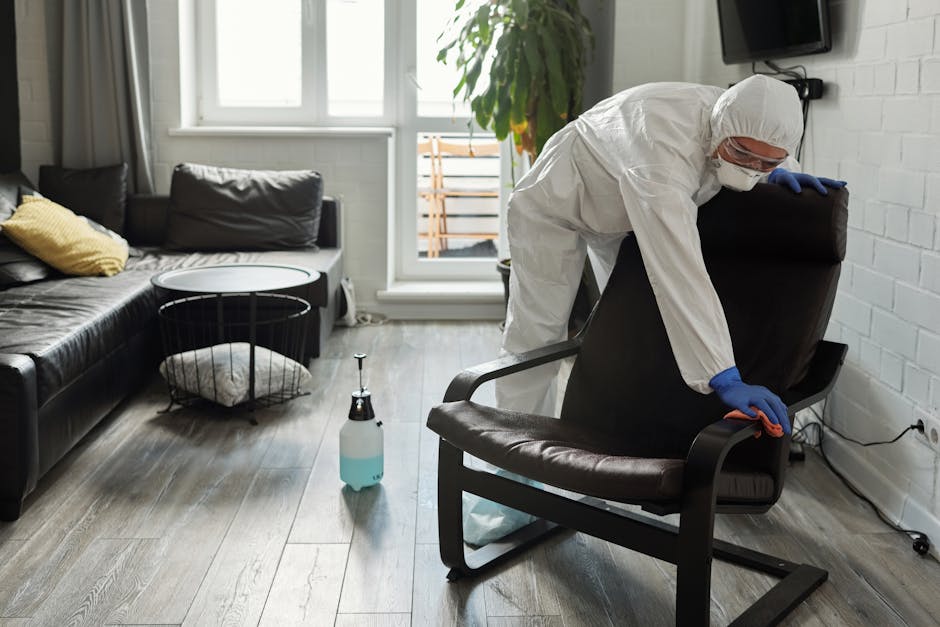
Upholstery cleaning London Fields E8 expert cleaners: a practical guide to fresher, longer-lasting furniture
If your sofa has started to look a bit tired, or that armchair in the corner has collected one too many coffee marks, you are not alone. Upholstery cleaning London Fields E8 expert cleaners can make a real difference to how your furniture looks, smells, and lasts. In a busy London home, upholstery picks up dust, body oils, pet hair, spillages, and everyday wear faster than most people expect. The good news? With the right cleaning method and careful handling, much of that damage can be improved without risking the fabric.
This guide explains what professional upholstery cleaning involves, how it works, when it makes sense, and how to choose a service that treats your furniture properly. You will also find a comparison of cleaning methods, a practical checklist, and the kinds of mistakes that quietly ruin good results. Let's face it, upholstery is expensive. It is worth looking after.
Table of Contents
- Why upholstery cleaning in London Fields E8 matters
- How expert upholstery cleaning works
- Key benefits and practical advantages
- Who this is for and when it makes sense
- Step-by-step guidance
- Expert tips for better results
- Common mistakes to avoid
- Tools, resources and recommendations
- Law, compliance, standards, and best practice
- Options, methods, and comparison table
- Case study or real-world example
- Practical checklist
- Conclusion
- Frequently asked questions
Why Upholstery cleaning London Fields E8 expert cleaners Matters
Upholstered furniture does a lot of quiet work. It absorbs the daily life of a home or workplace: crumbs, dust, damp shoes brushed against a chair, the odd makeup smudge, and the invisible build-up from skin contact and airborne particles. In a place like London Fields, where homes are lived in properly and not just photographed, that build-up becomes noticeable sooner than people think.
Cleaning upholstery is not just about making a sofa look nicer for guests. It is about preserving fabric, reducing lingering odours, and helping furniture stay comfortable. If the fibres are left clogged with dirt, they can start to look dull and wear unevenly. Spills left alone can also set deep into the weave, especially on lighter fabrics or textured materials. That's the annoying bit. A stain that seems tiny on day one can become a long-term mark by next month.
Expert cleaners matter because upholstery is more delicate than carpet. A carpet can often tolerate heavier moisture and stronger agitation. A sofa, footstool, or dining chair usually cannot. Different fabrics respond differently to heat, water, detergents, and pressure. Velvet, linen, cotton blends, synthetic microfibres, leather, and suede all need a different approach. To be fair, this is where the experience shows: the right cleaner knows when to clean deeply and when to be cautious.
In a busy E8 household, the practical value is simple. Fresh upholstery makes rooms feel cleaner, brighter, and better kept. That matters whether you are trying to improve everyday comfort, prepare for guests, protect rental furniture, or extend the life of a favourite piece you do not want to replace yet.
How Upholstery cleaning London Fields E8 expert cleaners Works
Professional upholstery cleaning usually starts with inspection. A good cleaner should identify the fabric type, any weak seams, signs of colour bleed, and the areas that need extra care. That first look is not just box-ticking. It decides the method, the cleaning solution, and how much moisture can safely be used.
Most upholstery cleaning jobs follow a sequence like this:
- Assessment: the cleaner checks the fabric, construction, stains, and general condition.
- Dry soil removal: loose dust and debris are lifted using vacuuming or extraction pre-treatment.
- Spot treatment: specific stains are treated individually before the main clean.
- Main cleaning: the chosen method is applied, often hot water extraction, low-moisture cleaning, or foam-based cleaning depending on the fabric.
- Rinsing or neutralising: residue is reduced so the fabric does not feel sticky or attract dirt quickly afterwards.
- Drying guidance: airflow, temperature, and usage advice are given so the item dries properly.
Different jobs need different methods. A cotton sofa with general grime may suit a deeper wet clean. A delicate sofa in a bright flat near the canal might need low-moisture work and careful dry finishing. A leather suite is a different world again. It often needs specialised cleaning and conditioning rather than the same treatment used on fabric furniture.
Expert cleaners also know that stain removal is rarely one-and-done. Some stains lift fully, some fade significantly, and some are already chemically altered by DIY attempts. That sounds a bit blunt, but it is honest. Coffee, wine, grease, ink, pet accidents, and body oils all behave differently. A real professional will explain what is likely to improve and what may only lighten.
Key Benefits and Practical Advantages
The most obvious benefit is appearance. Clean upholstery instantly makes a room feel more cared for. But the better gains are often the ones you notice over time.
- Improved comfort: fabrics feel fresher and less grimy to the touch.
- Reduced odours: trapped smells from pets, cooking, or spills can be significantly improved.
- Better fabric life: removing abrasive dirt helps reduce premature wear.
- Healthier indoor environment: while upholstery cleaning is not a medical service, regular cleaning can reduce built-up dust and allergens in soft furnishings.
- Damage prevention: addressing spills early reduces the chance of permanent staining.
- Better presentation: useful for landlords, tenants, homeowners, serviced flats, and small offices.
There is also a psychological effect, which people sometimes underestimate. A clean sofa changes how a room feels in the evening when the lamps are on and the traffic noise fades outside. It makes the space feel calmer. Slightly less tired. A bit more yours again.
For businesses, reception seating, waiting room chairs, and breakout area upholstery are part of first impressions. If they look neglected, customers notice. Not always consciously, but they notice.
| Benefit | What it means in practice | Why it matters |
|---|---|---|
| Fresh appearance | Fabrics look brighter and more even | Helps the room feel cleaner straight away |
| Odour control | Removes trapped smells from daily use | Improves comfort, especially in smaller flats |
| Fabric care | Removes dirt that can grind into fibres | Supports longer furniture life |
| Better hygiene | Reduces accumulated dust and debris | Useful for homes with children, pets, or frequent guests |
Who This Is For and When It Makes Sense
Upholstery cleaning is not just for visibly dirty sofas. It makes sense in a few different situations, some obvious and some easy to overlook.
- Homeowners who want to refresh living rooms, dining chairs, or bedrooms without replacing furniture.
- Tenants preparing for an inventory check or trying to leave a property in good shape.
- Landlords and agents managing furnished lets where presentation matters between occupants.
- Families with children where everyday spills are just part of life.
- Pet owners dealing with fur, odour, and the occasional accident.
- People with allergies or sensitivities who want to reduce dust build-up in soft furnishings.
- Small offices and studios with upholstered waiting chairs or informal seating.
It also makes sense when you notice the following: the fabric looks flat rather than textured, you can see darker areas where hands rest, there is a smell you have gone nose-blind to, or a spill has been left long enough to become part of the furniture. Happens to all of us.
If you are unsure whether a piece needs cleaning, think about how often it is used. A sofa in a family living room in London Fields may need attention far sooner than a guest chair that is only used once in a while. That is just reality.
Step-by-Step Guidance
If you want to understand what a proper upholstery clean looks like, it helps to break it down into a simple sequence. Here is the practical version.
- Check the fabric label or manufacturer notes. This tells you whether the item can handle water-based cleaning or needs a drier method.
- Vacuum thoroughly. A lot of hidden dirt sits in seams, piping, and between cushions.
- Test the cleaning solution. A discreet patch should be checked first, especially on dyed or delicate fabrics.
- Treat spots individually. Food, drink, grease, and pet stains often need separate treatment before the general clean.
- Apply the main cleaning method. The method should suit the fibre, not the other way around.
- Extract or remove residue carefully. Leaving too much detergent behind can attract dirt faster later.
- Dry with good airflow. Open windows if suitable, use fans if recommended, and avoid heavy use too early.
- Inspect the result. Good cleaners will check the finish and explain any marks that remain for honest reasons, not vague ones.
There is a small but important point here: drying matters as much as cleaning. A sofa that is over-wet can take ages to dry, and that may lead to damp smells or re-soiling. So yes, the clean is important. But the finish matters just as much.
If you are doing a light maintenance clean yourself between professional visits, keep it simple. Vacuum slowly, use a soft brush attachment where suitable, and blot spills rather than rubbing them. Rubbing often just pushes the stain deeper. A classic mistake, really.
Expert Tips for Better Results
People often think upholstery cleaning is mostly about chemicals. It is not. Technique matters a lot. A cleaner who moves too fast, uses too much water, or guesses at fabric types can leave a worse result than before. Here are the habits that usually separate a decent job from a genuinely careful one.
- Act quickly on spills. Fresh stains are far easier to handle than old, heat-set ones.
- Blot, do not scrub. Scrubbing distorts fibres and spreads the mark.
- Know the fabric. Velvet, chenille, linen, and microfibre all behave differently.
- Use minimal moisture where required. Delicate fabrics can be damaged by over-wetting.
- Ventilate the room. Good airflow helps dry time and reduces musty smells.
- Avoid DIY products with strong residue. Some sprays make the upholstery look clean for a day, then attract grime.
- Protect high-use areas. Seat cushions, arms, and headrests usually need the most attention.
A small real-world observation: the armrest nearest the hallway often tells the story first. That one spot can show years of use before the rest of the sofa does. Funny, in a way, but not really funny if you are trying to keep the furniture looking new.
If you own a lighter-coloured sofa in a London flat with lots of daylight, you may also notice uneven fading and shadowing around regular contact points. A careful clean can improve that appearance, though not every mark can be erased. Honest expectation is part of good service.
Common Mistakes to Avoid
Upholstery cleaning goes wrong most often for a few predictable reasons. None of them are especially glamorous, which is probably why people keep repeating them.
- Using too much water: this can leave backing materials damp and may cause longer drying times.
- Cleaning without testing first: colour fade or bleeding can happen on certain fabrics.
- Choosing the wrong product: harsh cleaners can damage fibres or leave sticky residue.
- Rubbing stains aggressively: this can spread the stain and fray the fabric.
- Ignoring the label: the manufacturer's guidance exists for a reason.
- Using a sofa too soon: pressure on damp fabric can bring dirt back into the area.
- Assuming all stains are removable: some have already chemically changed the fibre.
One of the more common frustrations is expecting a single pass to fix a long-standing issue. In truth, some jobs need a combination of pre-treatment, careful extraction, and a little patience. That is normal. Good work is often patient work.
Another mistake is forgetting that furniture construction matters. A cushion with loose stuffing, weak stitching, or old adhesive backing needs extra caution. A cleaner should notice that and adjust. If they do not, that is a red flag.
Tools, Resources and Recommendations
The right tools make a big difference, but not all equipment is appropriate for every piece. For most upholstery cleaning jobs, useful tools include:
- an upholstery vacuum attachment
- microfibre cloths for controlled blotting
- soft brushes for fabric agitation where appropriate
- spot treatment solutions matched to the fabric type
- low-moisture or extraction equipment for deeper cleans
- fans or airflow support to help drying
For a homeowner, the main recommendation is not to buy a lot of products and hope for the best. That usually ends with three half-used bottles under the sink and a slightly sad sofa. Instead, keep a small, sensible kit for spill response and leave deeper restoration to trained cleaners.
If you are comparing services, it can help to review practical pages such as pricing and quote information so you know how estimates are handled, and insurance and safety details so you understand how the work is approached responsibly. If you want to know more about the people behind the service, the about us page is a sensible place to start.
Law, Compliance, Standards, and Best Practice
For upholstery cleaning, the most useful compliance questions are usually practical rather than complicated. You want a service that works safely, handles your property with care, and is transparent about how it operates. In the UK, that means paying attention to insurance, health and safety, terms, privacy, and payment security.
Good practice includes:
- clear explanations of what the service includes and excludes
- careful handling of furniture and flooring during cleaning
- appropriate use of cleaning agents
- respect for property access, appointment timing, and customer instructions
- secure handling of payment details and personal data
You may also want to check a company's published policies if you are comparing providers. Pages like the health and safety policy, payment and security information, and privacy policy are helpful signals that the business takes the admin side seriously too. Not glamorous, I know. Still important.
For customers who care about responsible operations, it can also be worth looking at recycling and sustainability practices. Even a simple cleaning visit creates waste in cloths, packaging, and spent materials, so a thoughtful approach is a good sign. And if anything ever goes wrong, a clear complaints procedure matters more than people think.
There are also standard consumer expectations around fairness, transparency, and service delivery. You do not need legal expertise to spot whether a provider communicates clearly, respects your home, and stands behind their work. That instinct is usually worth listening to.
Options, Methods, and Comparison Table
Different upholstery cleaning methods suit different jobs. The right one depends on fabric type, soil level, staining, and how quickly you need the piece back in use. Here is a simple comparison.
| Method | Best for | Strengths | Watch-outs |
|---|---|---|---|
| Hot water extraction | Durable fabric upholstery with deeper soiling | Deep cleaning, good soil removal | Not suitable for every delicate fabric; drying time matters |
| Low-moisture cleaning | More delicate fabrics and quicker turnaround | Reduced drying time, gentle application | May not remove heavy embedded grime as aggressively |
| Foam or encapsulation style cleaning | Light to moderate maintenance cleaning | Controlled moisture, useful for regular upkeep | Can be less effective on older stains |
| Leather cleaning and conditioning | Leather sofas, chairs, and office seating | Helps maintain the finish and flexibility of leather | Needs dedicated products; not treated like fabric |
So which is best? Honestly, there is no universal winner. A skilled cleaner chooses based on the piece in front of them, not the method they happen to like most. That is the point where expertise really shows.
If you are uncertain, ask what method they plan to use and why. A confident, sensible answer is usually a good sign. If the answer sounds vague, that's worth noticing.
Case Study or Real-World Example
A common London Fields scenario goes like this. A family in a busy flat has a light-coloured corner sofa that has picked up everyday marks over time: food traces on the seat fronts, a little drink spill on one arm, and a general dullness from constant use. Nothing dramatic. Just life, really.
Before cleaning, the sofa looks tired and slightly grey in the high-contact areas. The cleaner inspects the fabric, checks for any colour issues, and treats the obvious stains first. The main clean removes a lot of the surface build-up, while the armrest and seat fronts need extra attention. After drying, the sofa looks brighter and the room feels fresher. Not brand new, because no honest service should pretend that, but much improved.
The family notices two things most: the smell is gone, and they stop avoiding that one seat by the window. That is often the real test. Furniture should be something you want to use, not just something that happens to be there.
In another typical case, a small office in E8 has upholstered waiting chairs that are used all day. They do not look awful, but they have lost their crisp appearance and hold a faint stale smell by midweek. A planned clean outside business hours restores a more professional feel without disrupting the workday. Simple, practical, done properly.
Practical Checklist
Before booking upholstery cleaning, run through this short checklist. It saves hassle later.
- Identify the main furniture pieces that need cleaning.
- Check whether the upholstery has a care label or fabric instructions.
- Note any stains, odours, pet issues, or previous cleaning attempts.
- Measure access if the furniture is large or awkward to move.
- Ask which cleaning method is likely to be used.
- Confirm estimated drying time and when the furniture can be used again.
- Review pricing and what is included.
- Check insurance, safety, privacy, and terms information.
- Prepare the room by removing small items and fragile objects.
- Ventilate the area after cleaning if advised.
Expert summary: the best upholstery cleaning combines fabric knowledge, cautious technique, and realistic expectations. The goal is not just to remove dirt; it is to protect the furniture while making it noticeably fresher. That combination is what good London Fields E8 cleaners are really there for.
Get a free quote today and see how much you can save.
Conclusion
Upholstery cleaning in London Fields E8 is one of those services that feels small until you actually have it done. Then the change is obvious. A cleaner sofa, a fresher chair, a better-looking room, less lingering odour, and a bit more life put back into furniture you already own.
The key is to choose a cleaner who understands fabric types, uses the right method, and communicates clearly about what can and cannot be achieved. That is especially important with delicate materials and older pieces. Good upholstery care is careful work, not rushed work.
If your furniture is starting to look flat, stained, or a little too familiar, taking action now is usually easier and cheaper than replacing it later. And that, in the end, is the sensible move. Sometimes the most practical choice is also the most satisfying one.
For readers who want a better sense of the company behind the service, useful next steps include reading about us, checking pricing and quotes, or reaching out through the contact page. If you prefer to understand service expectations first, the terms and conditions page is worth a look too.
Fresh furniture changes how a home feels. Quietly, but properly.
Frequently Asked Questions
How often should upholstery be professionally cleaned?
It depends on use, fabric type, pets, children, and whether the furniture is in a home or commercial setting. A heavily used sofa may need attention more often than a spare chair. If it starts to look dull, smell stale, or hold onto stains, that is usually a sign it is due.
Will upholstery cleaning remove all stains?
Not always. Fresh stains usually respond better than old ones, and some marks have already changed the fabric permanently. A good cleaner should explain what can realistically improve before starting. Honest expectations save disappointment later.
How long does upholstery take to dry?
Drying time depends on the method used, the fabric, room airflow, and humidity. Some low-moisture cleans dry faster, while deeper wet cleans can take longer. Good ventilation makes a noticeable difference, especially in smaller London flats.
Is upholstery cleaning safe for delicate fabrics?
Yes, when the correct method is chosen. Delicate fabrics need careful testing, light moisture, and the right products. Velvet, linen, and certain blends can be sensitive, so experience matters quite a lot here.
Can upholstery cleaning help with pet odours?
It can help significantly, especially where odour is trapped in the surface fibres or cushions. Deeply embedded smells may need more than one treatment or a more targeted approach. Pets are lovely, but they do not exactly help the sofa, do they?
What should I do before the cleaner arrives?
Remove small items, blankets, toys, and anything fragile from the area. If possible, vacuum loose debris and point out problem stains, weak seams, or previous cleaning attempts. The more the cleaner knows up front, the better the result tends to be.
How do I know if my sofa needs specialist treatment?
If the fabric is labelled as delicate, the upholstery is leather or suede, or the furniture has complex staining or old damage, specialist treatment is usually the safer choice. When in doubt, ask for a fabric assessment first rather than guessing.
Is professional upholstery cleaning worth it for older furniture?
Often, yes. Older furniture can still respond well if the frame and fabric are in decent condition. A good clean may make the item look and feel much better, which can be a sensible alternative to replacement.
What is the difference between upholstery cleaning and carpet cleaning?
Upholstery cleaning is usually more delicate and more fabric-specific. Sofas and chairs need careful moisture control, gentler agitation, and more attention to shape, seams, and drying. Carpet cleaning is important too, but it is a different job.
How can I keep upholstery cleaner for longer?
Vacuum regularly, address spills quickly, rotate cushions where possible, and avoid eating or drinking on the sofa if that suits your household. A little prevention goes a long way. Not thrilling advice, perhaps, but solid.
What if I need to complain or check service terms?
It is sensible to review service terms before booking, and a proper provider should have a clear route for questions or complaints. Useful pages include the complaints procedure and the terms and conditions. Clear communication is part of trustworthy service.
Can upholstery cleaning fit around a busy schedule?
Usually, yes. Many customers book it around work hours, school runs, or quiet days at home. It helps to plan for drying time and avoid using the furniture too soon afterwards. A bit of timing saves a lot of nuisance.
How do I choose the right upholstery cleaner in London Fields E8?
Look for clear explanations, fabric knowledge, sensible pricing, insurance awareness, and a calm approach to stains and drying. If a cleaner sounds overconfident about everything, that is not always a good sign. A careful answer is often better than a flashy one.