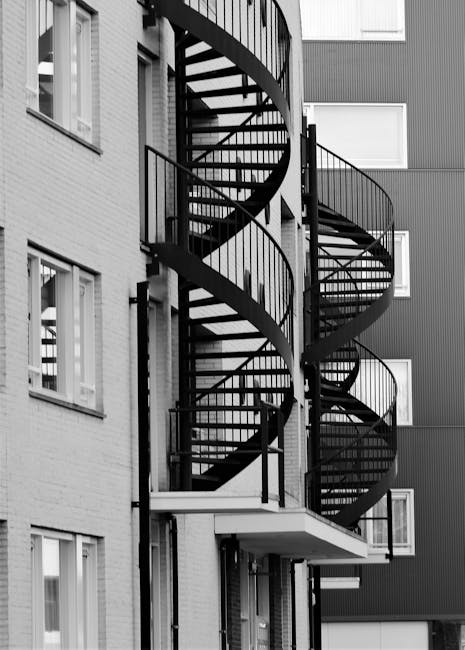
Access issues for Hackney flats cleaning narrow stair solution
If you live in a Hackney flat, you probably know the drill: the hallway is tight, the stairwell is steeper than it looked in the photos, and getting a full-size cleaning machine upstairs can feel like a small logistics puzzle. That is exactly where Access issues for Hackney flats cleaning narrow stair solution comes in. This guide explains how cleaners work around narrow staircases, awkward landings, shared entrances, and those little access headaches that can make a simple clean feel complicated.
Whether you are booking carpet cleaning, dealing with a bulky sofa in a second-floor walk-up, or just trying to get a clear plan before the team arrives, the good news is this: most access problems can be solved with the right preparation. Not always neatly, to be fair. But usually well enough to keep the job safe, efficient, and worth doing.
In the sections below, you will learn what this kind of access solution actually involves, why it matters in Hackney flats, what to check before the appointment, and how to avoid the common mistakes that slow everything down. There is also a practical checklist, a comparison table, and a simple real-world example so you can picture how it works in normal life, not just theory.
Why Access issues for Hackney flats cleaning narrow stair solution Matters
Hackney has a lot of beautiful flats, converted buildings, mansion blocks, and older properties with character. The downside? Character often comes with stairs that are narrow, twisty, or just plain awkward. If you have ever watched someone try to turn a vacuum, carpet cleaner, or wet extraction machine on a half-landing, you will know the feeling. There is a moment where everyone goes quiet and hopes the equipment fits. That pause says it all.
Access matters because cleaning is not only about the final result. It is also about getting the right equipment to the right place without damage, delay, or avoidable stress. A cramped stairwell can increase the risk of scuffs on walls, bumped banisters, spills on shared carpets, and rushed work. It can also affect what type of cleaning method is actually suitable. Sometimes steam carpet cleaning is fine. Sometimes a lighter approach or more modular equipment makes more sense. Context matters.
For residents, this is not just a convenience issue. It is also about planning around neighbours, building rules, and time. In a busy London block, a cleaner who arrives without understanding access can cause a bit of a scene. Nobody wants that on a Tuesday morning before work.
This is also where trust comes in. A good provider will ask questions in advance, explain what is possible, and adapt the job plan rather than pretending every flat is the same. That is the kind of practical thinking that keeps the whole visit calm and predictable.
How Access issues for Hackney flats cleaning narrow stair solution Works
The basic idea is simple: the cleaning plan is adjusted to suit the building, not the other way around. In practice, that usually means the cleaner assesses access before arrival or at the start of the visit, then decides how to move equipment safely and what method is realistic for the space.
A narrow stair solution often combines a few things:
- Pre-visit questions about stair width, turning space, lift access, parking, and floor level.
- Modular or compact equipment that can be carried in parts rather than as one heavy unit.
- Protective handling such as corner care, careful lifting, and controlled movement on landings.
- Smarter scheduling so the team has enough time and is not rushing through a tight access route.
- Method selection based on what can be moved safely and what will actually dry well in the property.
Sometimes the solution is as basic as removing hose sections separately, bringing cleaning solution in smaller containers, and working room by room. Other times it means choosing a service that is more portable, like targeted upholstery cleaning or stain removal, rather than forcing a bulky approach that does not suit the building.
There is no magic trick here. It is mostly careful planning and realistic expectations. But that is often what makes the difference between a smooth visit and a frustrating one.
Key Benefits and Practical Advantages
When access planning is done properly, the benefits show up quickly. First, the job is less likely to damage walls, stair rails, or communal flooring. That alone is worth a lot in older Hackney blocks where shared spaces are already well-used and a bit unforgiving.
Second, the cleaning itself usually goes better. If equipment arrives in the right form and the team is not fighting the building, they can focus on the actual task: removing dirt, odours, marks, and everyday wear. That tends to give more consistent results, especially on carpets, rugs, sofas, and upholstery that have built up grime over time.
Third, good access planning saves time. And time is not just money. It is also less disruption for you and fewer interruptions for neighbours. In a flat with thin walls and a narrow stairwell, that matters more than people sometimes admit.
Finally, the process feels more professional. You know in advance what will happen, what needs to be moved, and whether the cleaner needs anything from you. That kind of clarity takes the edge off the appointment. Truth be told, many access problems are really communication problems wearing a stairwell costume.
Expert summary: the best narrow stair solution is not the one with the biggest machine or the boldest claim. It is the one that fits the building, protects the property, and still delivers a proper clean without drama.
Who This Is For and When It Makes Sense
This approach is especially useful if you live in a top-floor flat, a converted house with split levels, or a block where the staircase turns sharply and carrying equipment is awkward. It also helps if your front door opens straight into a tight hallway, because that leaves nowhere to stage equipment before the work begins.
It makes sense for people booking:
- carpet cleaning in a flat with limited access
- sofa cleaning where the item is heavy or awkward to turn
- upholstery cleaning for chairs, ottomans, and fabric furniture
- rug cleaning when the item is large and needs careful handling
- mattress cleaning in smaller bedrooms with limited doorway clearance
- pet stain odour removal where fast, controlled access helps reduce disruption
It is also useful for landlords, letting agents, and property managers arranging work between tenancies. In those situations, a clean handover often depends on timing and access being right first time. No one enjoys discovering on arrival that the cleaner cannot get the machine past the second landing. Not ideal.
If you have a shared entrance, building manager, concierge, or access code, this is also for you. Even a small detail like a locked gate or a door that needs propping open can change the whole flow of the visit.
Step-by-Step Guidance
Here is the practical version. If you are booking a clean in a Hackney flat with narrow stairs, work through the process like this.
- Measure the obvious obstacles. Note stair width, tight turns, low ceilings, and whether the landing allows turning with a machine or large item.
- Tell the cleaner about the building layout. Mention if the property is on the second, third, or fourth floor, whether there is a lift, and whether access is shared.
- Share parking or entry details. A cleaner carrying kit from a distant street is fine in theory, but it can affect timing and equipment load.
- Flag fragile areas. If walls are freshly painted or banisters are delicate, say so before the day of the clean.
- Choose the right service mix. Sometimes one room needs carpet cleaning while another needs stain removal or sofa cleaning instead.
- Clear the route. Make sure shoes, prams, bins, and small items are out of the stair path.
- Plan for neighbours. If the staircase is communal, try to pick a time that is less disruptive.
- Check drying and ventilation. Narrow flats can trap moisture, so keep airflow in mind after the work is done.
If you want a smoother handover, a few photos sent in advance can help a lot. A quick shot of the stairwell, front door, and any awkward bend tells the story faster than a paragraph ever could.
And yes, it can feel a bit over-prepared. But that is better than standing on a tiny landing trying to make a machine perform a miracle.
Expert Tips for Better Results
Over time, one pattern becomes clear: the cleaner who understands the access route usually does a better job. Not because they are trying harder, but because they can work with fewer interruptions. Here are a few practical ways to improve the result.
- Book with access in mind, not just price. The cheapest quote is not much use if the equipment cannot get in comfortably.
- Ask what equipment will be brought. Compact or split-load kit can be much easier in narrow staircases than one large unit.
- Discuss fragile surfaces early. This is especially useful in older buildings with painted woodwork, worn steps, or tight bannisters.
- Keep the route dry and clear. Wet shoes on a narrow stairwell are asking for trouble, quite honestly.
- Allow a little extra time. Access issues almost always slow movement, even when the job itself is straightforward.
- Think about the finish as well as the clean. A deep clean in a small flat is only useful if the room can ventilate afterwards.
Small detail, big difference. That is the theme here.
If your flat has pet smells, traffic marks, or a stubborn stain in a room that is awkward to reach, it is often smarter to combine the right method with the right room order. For example, a team might start in the hardest-to-access room while energy and daylight are at their best, then move to easier areas later. It sounds simple because it is simple, but simple things tend to work.
Common Mistakes to Avoid
Most access problems are avoidable. The trouble is, they are easy to underestimate when you are busy. Here are the mistakes that tend to cause hassle.
- Assuming the cleaner will "just manage". If the stairwell is tight, say so upfront.
- Forgetting about communal areas. Shared entrances and hallways often need more care than the flat itself.
- Leaving large furniture in the way. A sofa wedged near the stairs can turn a simple visit into a wrestling match.
- Not mentioning parking restrictions. In Hackney, this can matter more than people expect.
- Booking the wrong service for the access conditions. Sometimes a smaller-scale clean is the smarter choice.
- Ignoring drying time. A narrow flat can feel damp for longer if ventilation is poor.
One of the most common issues is silence. People often do not mention the narrow stairs because they think it is obvious or not important. Then the cleaner arrives and, well, everyone has to improvise. That is usually when people start apologising at the doorway. You can probably picture it.
Tools, Resources and Recommendations
You do not need specialist gear yourself, but it helps to know what good access planning usually relies on. On the cleaner's side, that may include lightweight extraction equipment, manageable hose lengths, protective covers, and appropriate cleaning solutions for the fabric or flooring being treated.
On your side, a few simple things make the day smoother:
- a tape measure for checking stair width or doorway clearance
- your phone camera for quick access photos
- masking tape or notes for marking fragile areas, if needed
- a clear idea of where furniture can be moved temporarily
- basic airing arrangements for after the clean
If you are comparing services, it can help to review a company's policies before booking. For example, the pages on health and safety and insurance and safety are useful trust signals when you want reassurance about how equipment and property will be handled. It is also worth looking at pricing and quotes so you understand what may affect the cost, especially if access adds extra time or complexity.
For customers who want to understand service standards more broadly, the company's about us page and accessibility statement can also help set expectations around service and communication. And if you are looking at payments and data handling, the payment and security and privacy policy pages are worth a look. A bit dry, maybe. Still useful.
Law, Compliance, Standards, or Best Practice
For flat cleaning access, there is rarely one single rule that solves everything. Instead, the sensible approach is to follow general UK best practice: work safely, avoid damage, respect communal spaces, and communicate clearly about risks before the job starts.
In a block of flats, shared corridors and stairwells should be treated carefully because they are not just part of the job site; they are also part of someone else's home environment. That means cleaners should avoid blocking exits, leaving trip hazards, or dragging equipment in a way that could damage flooring or create conflict with neighbours. It sounds obvious, but in tight buildings, obvious is exactly what gets forgotten.
Any reliable provider should also have a sensible complaints route and clear terms. If something does go wrong, you want to know how it will be handled. The complaints procedure and terms and conditions pages are part of that trust picture. They are not the exciting parts of the website, admittedly, but they matter when access is difficult and you need clarity.
Environmental care is another small but real consideration. In tight housing, strong smells and excess water are more noticeable. Where possible, a cleaner should choose methods and products that suit the property and avoid unnecessary waste. If that matters to you, the recycling and sustainability page is useful context.
Options, Methods, or Comparison Table
Not every access issue needs the same solution. Some flats only need a bit of planning. Others benefit from a different cleaning method altogether. Here is a simple comparison to help you judge what fits best.
| Approach | Best for | Pros | Watch-outs |
|---|---|---|---|
| Full in-flat machine setup | Moderate access, enough stair width, good landing space | Efficient for larger carpeted areas | Can be awkward in very tight stairs |
| Compact or split-load equipment | Narrow staircases and older conversions | Easier to carry, less likely to damage walls | May take more setup time |
| Targeted room-by-room cleaning | Mixed access and a few high-priority areas | Flexible, practical, easier to schedule | Not always ideal for whole-flat deep cleans |
| Spot treatment or stain-only service | Small areas, urgent marks, limited access | Fast and low disruption | Won't replace a full deep clean |
| Furniture-specific cleaning only | Sofas, mattresses, rugs, upholstery | Useful when floor access is the main issue | Needs clear item access and space to work |
If your flat is on a narrow staircase and you are unsure which option fits, the safe answer is usually the one that reduces handling and keeps movement simple. That is not the flashiest answer, but it is the one that tends to age well.
Case Study or Real-World Example
Imagine a third-floor Hackney flat in a converted Victorian house. The stairwell is narrow, the turn at the half-landing is awkward, and there is a shared front door that always seems to stick a little in damp weather. The resident wants carpet cleaning in the living room, a rug cleaned in the bedroom, and a small stain treated in the hallway.
Rather than sending in a one-size-fits-all setup, the cleaner checks access details first. The resident sends a couple of photos. The team spots that the stair width is manageable, but the landing turn will be tight with one large machine. So they plan a lighter carry-in, protect the route, and start with the room that has the least natural light so drying can begin earlier in the day. The hallway stain is treated separately to avoid extra water where the space is most cramped.
The job is not dramatic. No heroic story, no one-liner transformation. Just a well-run visit that avoids scraped paint, neighbour complaints, and unnecessary delay. By late afternoon, the flat smells cleaner, feels calmer, and the resident is not left worrying about puddles on the stairs or a half-finished job.
That is the real value of a narrow stair solution. It turns a difficult access problem into a manageable routine.
Practical Checklist
Use this before the appointment. It will save you a headache, honestly.
- Confirm the floor level and whether there is lift access.
- Measure stair width and note any tight turns or low ceilings.
- Share photos of the entrance, stairwell, and landing if possible.
- Tell the cleaner about parking, loading, or entry restrictions.
- Move small items out of the route before the team arrives.
- Warn the cleaner about fragile paint, woodwork, or recently decorated areas.
- Decide whether you need a full clean or a targeted service such as stain removal.
- Make sure windows can be opened or ventilation is possible after the clean.
- Ask about the expected setup time and drying time.
- Check the company's policies if you want extra reassurance around safety, payments, and complaints.
Quick takeaway: the smoother the access information, the smoother the clean. It really is that straightforward.
Get a free quote today and see how much you can save.
Conclusion
Access issues in Hackney flats are common, but they do not have to derail a cleaning appointment. With narrow stairs, tight landings, and shared entrances, the best approach is a practical one: plan ahead, describe the building clearly, and choose the cleaning method that suits the space rather than forcing the space to suit the method.
That simple shift can make a big difference. It protects walls and fittings, keeps neighbours happy, and gives the cleaner enough room to do proper work. And once the job is underway, you will usually notice the calmness of it. Less rushing. Less guesswork. More actual cleaning.
If you are preparing for a visit, take a few minutes to think about access now. Future-you will be grateful, and truth be told, that is the sort of small decision that makes flat living a lot less annoying.
Frequently Asked Questions
What is the best solution for cleaning a flat with narrow stairs?
The best solution is usually a compact, well-planned setup with clear access details shared in advance. That allows the cleaner to choose equipment and methods that fit the building instead of fighting it.
Can carpet cleaning be done in a Hackney flat with a tight staircase?
Yes, often it can. The key is whether the equipment can be carried safely and whether there is enough room on the landings for setup and movement. Photos help a lot here.
Should I mention access issues before booking?
Definitely. Narrow stairs, shared entrances, steep steps, or tricky parking can affect how the job is planned. Mentioning them early avoids delays and misunderstandings.
What if the cleaner cannot bring a large machine upstairs?
Then a different method may be needed, such as a compact unit, a more targeted service, or room-by-room work. It is better to adapt the plan than force a risky carry-in.
Do narrow stairs make the job more expensive?
Sometimes they can, depending on the extra time, equipment handling, or complexity involved. It is best to ask for a clear quote and explain the access conditions at the start.
How can I prepare my flat before the cleaner arrives?
Clear the stair route, move small obstacles, share access notes, and make sure the cleaner knows about any fragile surfaces or awkward entry points. A few minutes of preparation goes a long way.
Is steam carpet cleaning suitable for flats with limited access?
It can be, but only if the equipment and drying conditions suit the building. In smaller flats, ventilation and carry-in access matter just as much as the cleaning method itself.
What services are useful when access is difficult?
Targeted services such as stain removal, sofa cleaning, rug cleaning, and mattress cleaning can be practical when full-house access is awkward.
What should I ask a cleaner about access?
Ask what equipment they will bring, whether they need measurements or photos, how much setup time they expect, and whether the building layout affects the method they recommend. Simple questions, but they reveal a lot.
How do I know a company is trustworthy with tight access jobs?
Look for clear information on health and safety, insurance and safety, pricing, and complaints handling. A company that explains its process clearly is usually a safer bet.
Can access problems affect drying time after cleaning?
Yes. Narrow flats may have less airflow, which can slow drying. Good ventilation, sensible scheduling, and choosing the right method all help reduce that risk.
What if my building has shared hallways or a sticky front door?
Tell the cleaner in advance. Shared spaces and awkward entry points are common in Hackney, and they are easier to manage when everyone knows about them before the appointment starts.
Where can I check the company's service policies?
You can review pages like terms and conditions, complaints procedure, and about us to understand how the business works and what to expect.